


6.22.26
7 Tips for Maximizing Washing Machine Performance
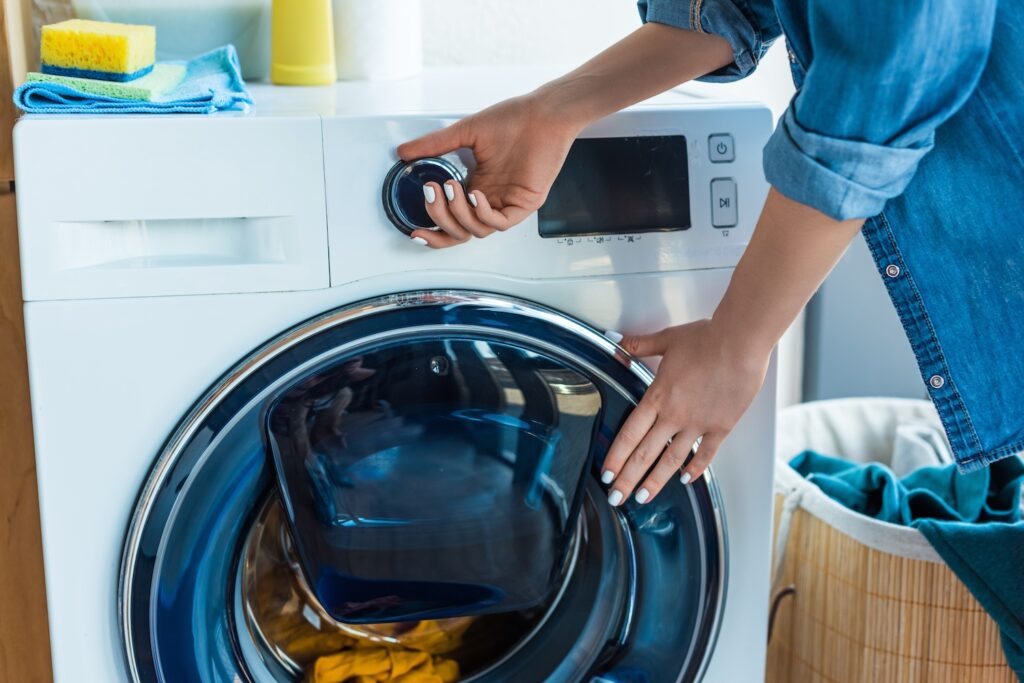

Ways to make your washer last longer and save money on repairs.
An appliance that can cost $1,000 or more deserves a little extra attention. We’re talking about your washing machine. This workhorse keeps our clothes clean week after week, but far too often we take it for granted—until something goes wrong. Use the following tips to keep your washer performing at its best.
Don’t overload the machine
Overfilling a washing machine because you think it saves time, energy and water is a false economy. Overloading creates extra wear on everything from motors and belts to bearings and seals. Plus, clothes that don’t tumble around loosely won’t get clean and won’t rinse well.
To ensure your machine doesn’t wear out prematurely—and to get the cleanest clothes—leave room in the drum for the clothes to move. In general, a medium load fills the drum halfway and a large load fills it three-quarters full. To see a visual representation of this, check out this machine capacity resource from Tide.
Select cycles carefully
If you don’t select a cycle according to fabric type and soil level, you’re likely putting excess stress on the machine. Manufacturers have calibrated cycles that range from delicates and whites to heavy-duty and bulky items. If the load doesn’t match the cycle—for example heavy denim jeans on the delicate cycle—mechanical stress increases. Refer to the owner’s manual for the best ways to use your machine’s cycles. For a quick overview of washing cycles, check out this guide from Whirlpool.
Use the correct amount of detergent
A common washing machine mistake is using too much detergent. Even if clothes are heavily soiled, more detergent is not better. According to Martha Stewart, excess surfactants in detergent may not rinse away completely and can leave a residue on fabrics. Plus, detergent can build up in your machine and affect how well it cleans, rinses and drains. Follow the directions based on your machine type and detergent. HE, or high-efficiency, washers need very little detergent; for full loads they may use just one to two tablespoons.
Leave the door open after washing
No one wants mold and mildew in the machine that washes their clothes. Musty smells are offensive, and breathing mold and mildew spores can affect your health. Plus, these microbes can break down rubber seals and corrode metal components. Fortunately, avoiding these risks is easy. Simply leave the door open for a few hours or overnight after your load is done to allow the seals and drum to dry.
Run a monthly cleaning cycle
Washing machines need to be cleaned periodically. Soil and detergent can build up on the drum, leading to less efficient operation, odors and clothes that aren’t optimally clean. Check the manufacturer’s recommendation for cleaning your particular model. In general, a cleaning cycle is run with an empty drum using either vinegar, liquid bleach or a designated washing machine cleaner. (Never mix cleaning products.) Running a cleaning cycle once a month can help keep your machine clean and fresh.
Clean the filter
Many, but not all, front-load and top-load washing machines have filters that prevent lint and small items from getting caught in the drain pump. Periodically, the filter needs to be removed, cleaned and reinserted.
On top-load machines, the filter may be under the upper inside lip of the tub or in the center agitator.
On front-load models, the filter is typically behind a small panel near the bottom on the front of the machine. When cleaning the filter on a front-loader, have a bowl or bucket on hand because you’ll need to drain the water that remains in the emergency drain hose before removing the filter.
Periodically replace supply hoses
Technically, the water supply hoses aren’t part of a washing machine, but they deserve a mention. Supply hoses are under constant pressure from water. Plus, they undergo temperature changes and are subject to vibration from the washer. Over time, these factors can weaken the hoses to the point where they burst. If this happens, you could face anything from a minor cleanup to major repairs.
Replace rubber hoses every three to five years. Hoses with a braided outer layer can go longer. It’s helpful to write the replacement date directly on the hose in permanent ink or attach a label so you always know how old the hoses are.
Follow these tips regularly to help your washing machine last longer, reduce the need for costly repairs and get your clothes cleaner.
Federally insured by NCUA