


7.27.26
Improve Your Indoor Air Quality
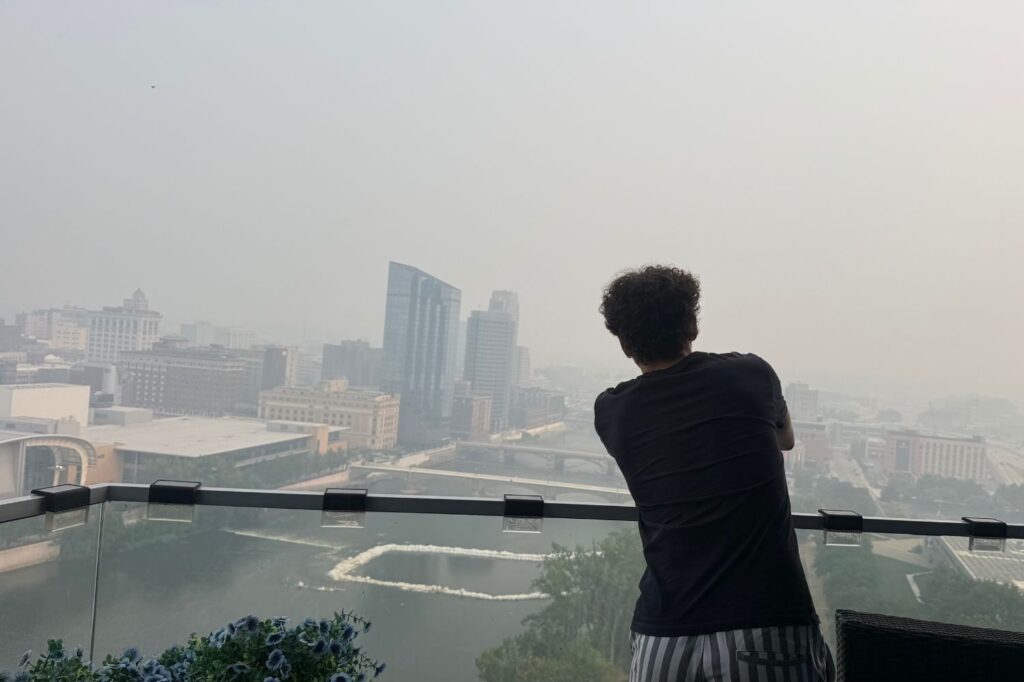

Steps to make the air inside your home cleaner.
While outdoor air quality has been the focus of attention lately, indoor air quality is just as important. When things such as pollen, mold and particles from wildfire smoke find their way inside our homes and join household irritants such as dust and pet dander, it can result in itchy eyes and scratchy throats. For people with allergies, asthma or poor health, the effects of unhealthy air can be a serious threat. Here are things you can do to keep the air in your home cleaner.
Optimize air filtration
Every forced-air HVAC system has a filter. Choose a filter that’s rated MERV-13 or better and replace it regularly. Exactly how often depends on the model. Thicker filters remain effective longer than thinner ones. In general, air filters are designed to last between three and twelve months. If the filter is visibly dirty, it’s time to replace it, according to Consumer Reports.
Anyone who’s ever used a vacuum cleaner knows that in addition to sucking up dust and debris, it also expels air. Cut down on the dust that gets blown around by using a vacuum with a HEPA filter.
Another way to filter indoor air is with a portable air purifier with a HEPA. These units can easily be moved from room to room. If you have one, keep it on all the time. Follow the manufacturer’s directions on the filter replacement schedule.
An alternative to buying a portable air purifier is to make one yourself with HVAC filters, duct tape and a box fan. You (or a budding builder or engineer) can find how-to directions here.
Limit indoor pollution from cooking and cleaning
Two types of particles—liquid and solid—are released in the air when we cook and clean. Help clear them quickly by opening a window and turning on the fan above the cooktop or in the bathroom. Note that not all kitchen hood fans are vented to the outdoors; if this is the case in your home, be sure to open a window.
Test your home for radon
Radon may be present in your home’s air, and you’ll never know it unless you test for it. This naturally occurring radioactive gas can enter a home through cracks and openings in the foundation, crawl spaces or other pathways. It is colorless and odorless and can be present in rocks, soil and groundwater. It’s a health concern because exposure to radon can lead to lung cancer. Get details about radon testing here.
Improving air quality with filtration, ventilation and, if needed, radon mitigation, helps make your home a comfortable and healthier environment.
Federally insured by NCUA