


4.13.26
Prevent Fires from Lithium-Ion Batteries
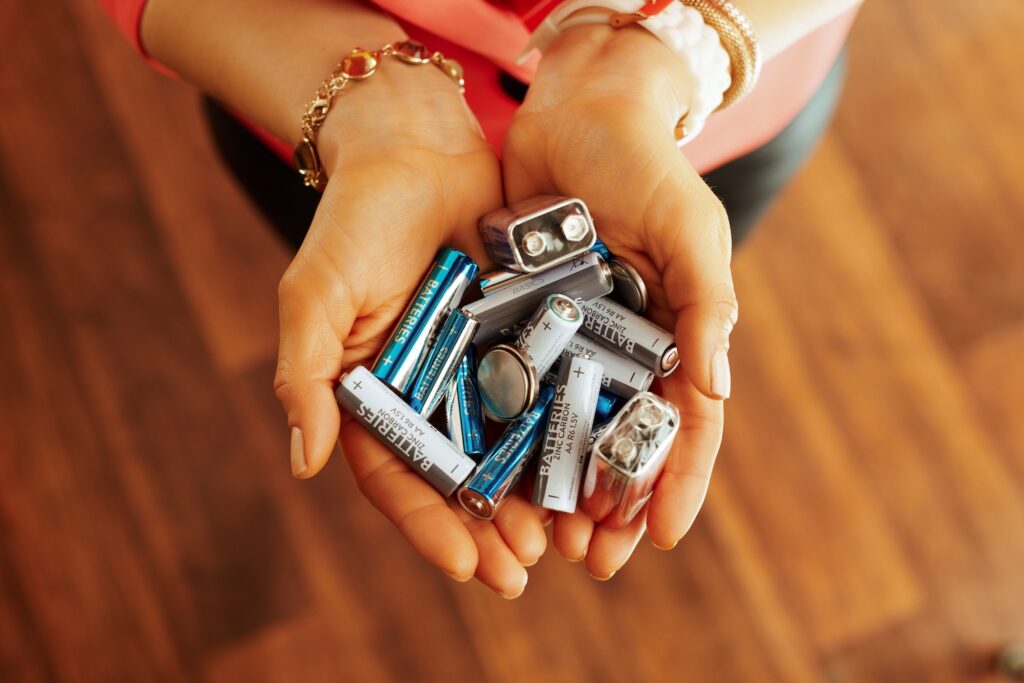

Cordless tools provide unmatched convenience, but their rechargeable batteries need special care.
There’s no doubt that cordless tools make home improvement and maintenance work easier. Drills, mowers, trimmers—most of us charge ’em and get to work. Yet do you consider the safety of the lithium batteries powering your tools? Damaged batteries or improper charging can result in a fire. Use the following guidelines to keep your home safe.
Inspect batteries before use
A damaged lithium-ion battery can allow the energy stored inside to be released in an uncontrolled manner and generate enough heat to start a fire. Don’t use any battery that shows signs of swelling, produces excessive heat, makes popping sounds or releases a sweet or metallic odor.
Use the correct charger
The performance, longevity and safety of rechargeable lithium-ion batteries relies on using the charger designed for your specific battery.
Manufacturers design chargers and batteries to work in tandem. “Most have built-in electronics that let the battery and tool “talk” to one another in real-time,” explains the Power Tool Institute. That “conversation” ensures the battery charges safely to the proper level and at the correct voltage. Only use the charger that came with your cordless tool
Avoid extreme temperatures
“When using or storing lithium-ion batteries, try to avoid high and low temperatures,” advises Grainger. In addition to degrading battery components, high temperatures can lead to fire or explosion. Extremely low temperatures can also degrade batteries and shorten their life. The optimal temperature is around 59 degrees.
Plug charger directly into outlets
When charging lithium-ion batteries, plug the charger directly into the electric outlet. Use of extension cords increases the risk overheating, which can lead to a fire.
Dispose of rechargeable lithium-ion batteries safely
Eventually, lithium-ion batteries lose their ability to hold a charge. When it’s time to dispose of them, don’t throw rechargeable lithium-ion batteries in the trash or regular recycling bin. First, apply tape over the battery terminals or place the battery in a plastic bag to prevent fires. Then drop them off at a dedicated recycling collection site. Many communities have drop-off sites for batteries. Also, many big-box stores like Lowe’s and Home Depot have collection points.
Choose replacements from the original manufacturer
Your tool’s life doesn’t end if the battery no longer charges or gets damaged because you can buy a replacement. For safety and performance it’s best to get an OEM battery, one that’s made by the original equipment manufacturer. This ensures the battery circuitry works safely with both the charger and the tool.
Federally insured by NCUA