


9.21.26
The Hidden Costs of Deferred Maintenance
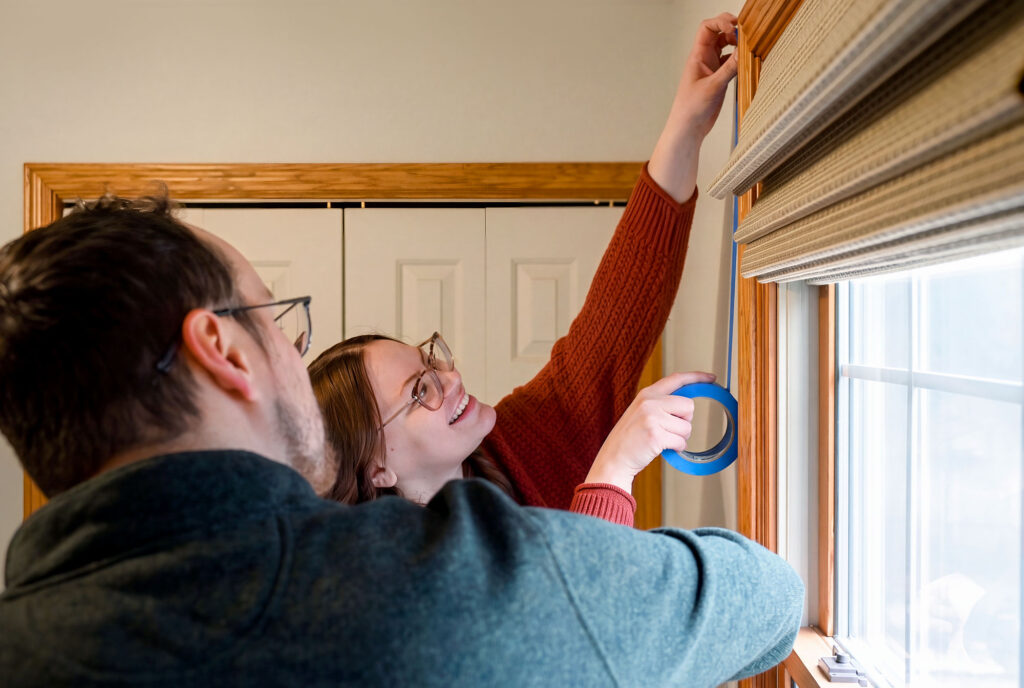

Health, safety and financial risks rise when needed repairs are put off until later.
Are you putting off home repairs because of cost? In many cases, delayed repairs mean more expensive repairs. In general, there are two types of deferred maintenance: repairs a homeowner knows need to be made and needed repairs they’re not aware of. Either way, putting off the work poses risks to health, safety and finances.
How deferred maintenance increases health and safety risks
Home is where we spend most of our time when we’re not at work or school, and our home’s environment can affect our health. This is especially true when moisture problems are not corrected quickly. It doesn’t matter if the water is coming in through a damaged roof, a broken pipe or a crack in the foundation. Water damage can lead to the growth of mold and bacteria. When these microbes circulate in the air, they can lead to respiratory problems and aggravation of allergies and asthma.
Safety risks can arise from deferred maintenance. Many homeowners have overlooked things such as a loose handrail or the clothes taking longer than usual to dry in in the dryer. If not corrected, a loose handrail could lead to a fall, and a clogged dryer vent could lead to a fire.
Financial risks of deferring home maintenance
In addition to protecting health and safety, staying on top of home repairs helps protect your finances. The longer you wait to address an issue, the more expensive the repairs become.
Think about this small problem: a leaking pipe under the sink. Call a plumber right away, and the cost may be limited to replacement parts and labor. Ignore the leak and eventually the water could damage the cabinet, while moisture could migrate into the floors and walls, resulting in mold growth. What started out as a minor problem could lead to replacing the cabinet, significant repairs to the walls and floor, mold remediation and health risks from airborne mold spores.
Addressing small problems before they become big ones saves money in the long run.
How to stay on top of home maintenance
If there are several things around your home in need of repair, prioritize those that could affect your health and safety. For example, address electrical and plumbing problems, moisture problems, pest infestations and anything that could result in injury before addressing cosmetic issues.
Some people aren’t aware of what repairs need to be done. Perhaps they’re a first-time homeowner, or they’ve lost a spouse who used to handle the home’s maintenance. In cases like these, a homeowner could ask a trusted friend who is knowledgeable about home maintenance for help or hire an inspector to identify needed repairs.
When you know what needs to be done, use this guide to decide whether to DIY the home repairs or hire a pro.
Budgeting and paying for repairs
A common budget guideline is to set aside 1% to 4% of your home’s value each year for routine maintenance. For a $350,000 home, that means saving between $3,500 and $14,000. If you know a big-ticket item like a roof or new HVAC system is on the horizon, it’s wise to budget on the high end.
If you don’t have savings on hand when repairs are needed, a home equity loan can provide funds to address a problem before it gets worse and becomes more expensive to fix.
 All loans subject to approval. Rates, terms, and conditions are subject to change and may vary based on credit worthiness, qualifications and collateral conditions.