


7.14.26
Tips for Planning a Successful Garage Sale
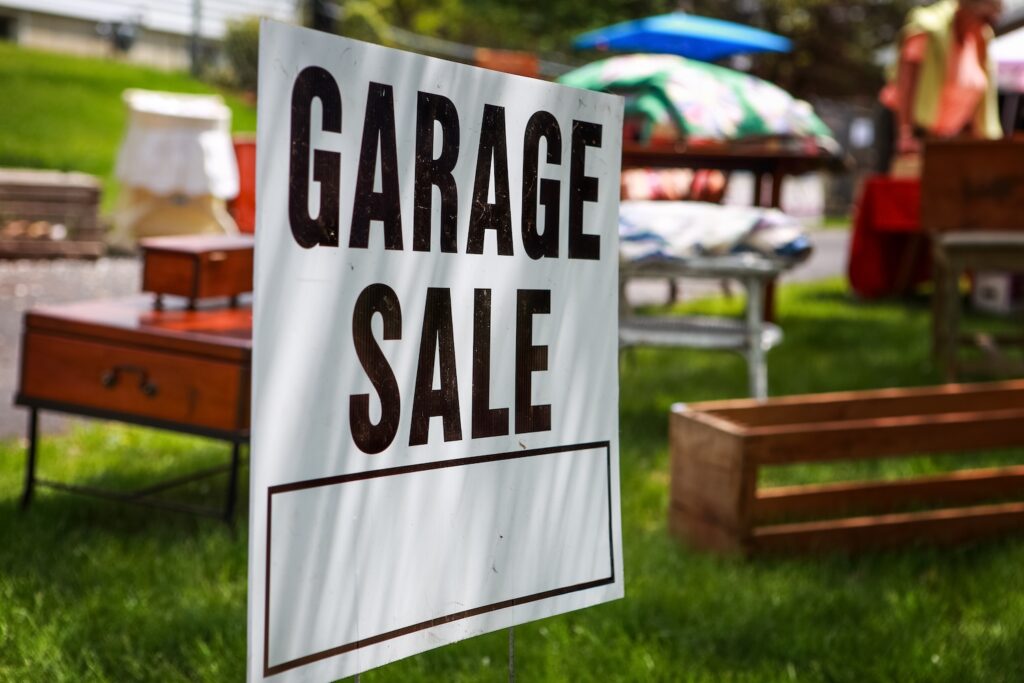
Simple strategies to attract shoppers, stay organized and save money after the sale.
Garage sales are a great way to clear clutter from your home, earn extra cash and give unwanted items a second life. Without planning and organization, a sale can be chaotic and result in fewer sales. Use these tips to attract more shoppers, stay organized and have a successful garage sale.
Get the word out
For many people “garage sale-ing” is a favorite activity and some even plan a shopping route. Get the word out about your sale on social media, such as Facebook Groups and Nextdoor, and list your sale on sites like Garage Sale Finder and Yard Sale Search.
Posting signs is another way to attract buyers but make sure you follow local ordinances for how large the signs can be, where they can be placed and for how long. Even if roadside signs aren’t allowed, you may be able to post one on a car parked in front of your house.
Signs don’t need a lot of information, just the key details that drivers can easily see. Most read like this:
Garage Sale
Saturday, 7/25
8 AM – 2 PM
123 Main Street
It’s also helpful to include a directional arrow.
Make it a neighborhood event
Invite neighbors to hold a garage sale the same day you do. Multiple sales in the same area help generate more traffic for all sellers. Alternatively, you can invite a neighbor to sell things at your sale and enlist them to help with the sale.
Prep before the sale
Pull out your folding tables or borrow some from a friend to display your items for sale. Avoid using a blanket on the ground to display items because many people have a hard time bending down and will simply pass by these items. If you don’t have tables, a large box covered with a sheet helps put items within reach.
Will you have hanging items? If you don’t have a clothes rack, a pole or shower rod held up between two folding ladders will work. Use zip-ties to keep the bar securely in place.Make it easy for customers to see what items cost by pricing each item clearly. Office supply stores sell printed price stickers to streamline the pricing process.
Be mindful of presentation. Organize like items together. Choose eye-catching items to place near the sidewalk or road to pull in people driving by. For example, tools, large colorful toys and vintage items attract interest. Show passing drivers it’s worth stopping.
How to price items
Rounding prices to the nearest dollar or quarter eliminates the need for making change for dimes and nickels.
When choosing the price, keep in mind the general guideline of pricing at 10% of the original price. Consider bundling items together to move more items. Of course, vintage and collectible items should be priced according to current market values. For more pricing tips, check out this garage sale price suggestion chart from Real Simple.
Make it easy to pay
Many garage sale shoppers pay in cash, so have small bills on hand to make change. Start the day with a minimum of $130 comprised of (30) $1 bills, (10) $5 bills, (4) $10 bills and one roll of quarters which has a value of $10. It’s better to have more small bills than you need than have a customer walk away because they can’t get change.
Make it easy for people who want to use a payment app like Venmo, Cash App or PayPal. Set up an account with your preferred payment app beforehand and print signs with your QR code.
Typically, sellers refuse to accept personal checks to avoid getting stuck with a bounced check. They also refuse bills larger than $20 because they don’t want to run out of small bills for change. If these are your policies, make a sign letting buyers know.
Be willing to negotiate
Everyone loves a deal and many shoppers aren’t shy about asking if you’ll take less for an item. You can accept the offer or counter with a price somewhere in the middle. If it’s a lowball offer, it’s okay to say, “No, thank you.”
Some sellers consider the time of day when they receive a lower offer. As the day goes on, they are increasingly willing to cut prices. When considering an offer, remember the items for sale are things you don’t want, and if they don’t sell you’ll have to figure out what to do with them later.
After the sale
The work isn’t done after the sale closes. Schedule time to take down signs and have a plan for what you’ll do with unsold items. Will some things go back in the house while others get donated? Will you have to drop the items off or will they be picked up by a charitable organization or junk removal service?
When the day’s work is done, tally your earnings and celebrate your success. Whether you made enough for a little splurge or profited handsomely, every dollar counts. If you don’t already have a plan for your earnings, consider using some of your proceeds to save money toward an emergency fund or other financial goal.
Federally insured by NCUA