


9.28.26
What Happens When You Pay Off Your Mortgage
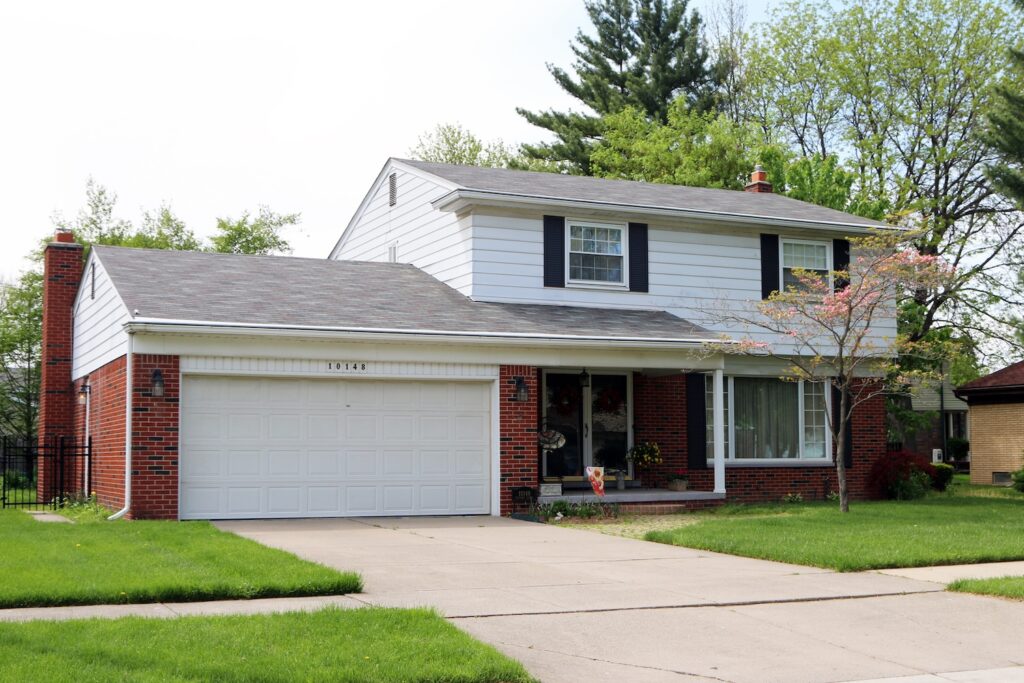

See what to expect from your lender and how to adjust your budget after you make the final payment on a home loan.
If you’re about to pay off your mortgage, congratulations on reaching this major financial milestone! Here’s how to find out how much your final payment will be, what to expect from your lender and how to adjust your budget.
Before making the final payment, get a payoff quote
Before making your final mortgage payment, let your lender know the specific date you plan to make the payment and ask for a payoff quote. They will calculate the exact payment, including the principal, interest through the payment date and any applicable fees. The payoff quote will be provided in writing.
You’ll see your loan reflected as paid off
Once your home loan has been paid in full, your lender will process the payoff and update the loan status accordingly. Your next loan statement should reflect a zero balance, confirming that the debt has been satisfied.
For the real estate loans, the mortgage lien is typically discharged electronically with the county within 60 to 90 days after the loan is paid off. Once the discharge is recorded, the lender no longer has a claim against the property. If you have questions about the status of your payoff or lien release, contact your lender for additional details.
Cancel automatic payments
After your last payment is made, cancel any automatic mortgage payments.
If your mortgage was automatically paid through a Consumers account, you can make this change through Online Banking or the Mobile Banking app.
Verify the lien is removed from property records
Lenders routinely notify the county clerk that a mortgage is paid in full and that they no longer have a lien on the property. Electronic submissions are often recorded within five business days. Hard copy submissions may take two to four weeks. However, errors can happen, or paperwork may not be filed correctly, so verify that the mortgage payoff is reflected in your county’s property records. Here is a list of all Michigan County Registers of Deeds.
Plan for taxes and insurance
If escrow was included in your monthly mortgage payment, your lender used those funds to pay property taxes and your homeowners insurance premium. With a paid-off mortgage, you’ll have to manage these payments.
Adjust your budget so you’re not taken by surprise when tax and insurance bills are due. One approach is to divide the total for both bills by twelve and put this amount in a savings account each month. Keep in mind that tax and insurance rates don’t remain constant; it’s a good idea to save an additional $50 per month or more to cover likely rate increases.
Adjust your budget and tax planning
No longer paying off a mortgage frees up money for other things. If you don’t have a plan for redirecting money that used to go toward your home loan, now is an ideal time to reassess your financial goals. Maybe it’s time to start or boost your emergency fund, pay off other debt, save for retirement, invest or save for a child’s or grandchild’s education. Being intentional about your budget can help you reach your next financial goal, whatever that is.
Another consideration is annual taxes. If you’ve been deducting mortgage interest on your annual tax return, you may no longer have that deduction. Talk to your tax preparer about how this change could affect your federal and state income taxes.
 All loans subject to approval. Rates, terms, and conditions are subject to change and may vary based on credit worthiness, qualifications and collateral conditions.