
Nature Trail at The Groves
A walk designed to help you move, learn and feel your best.
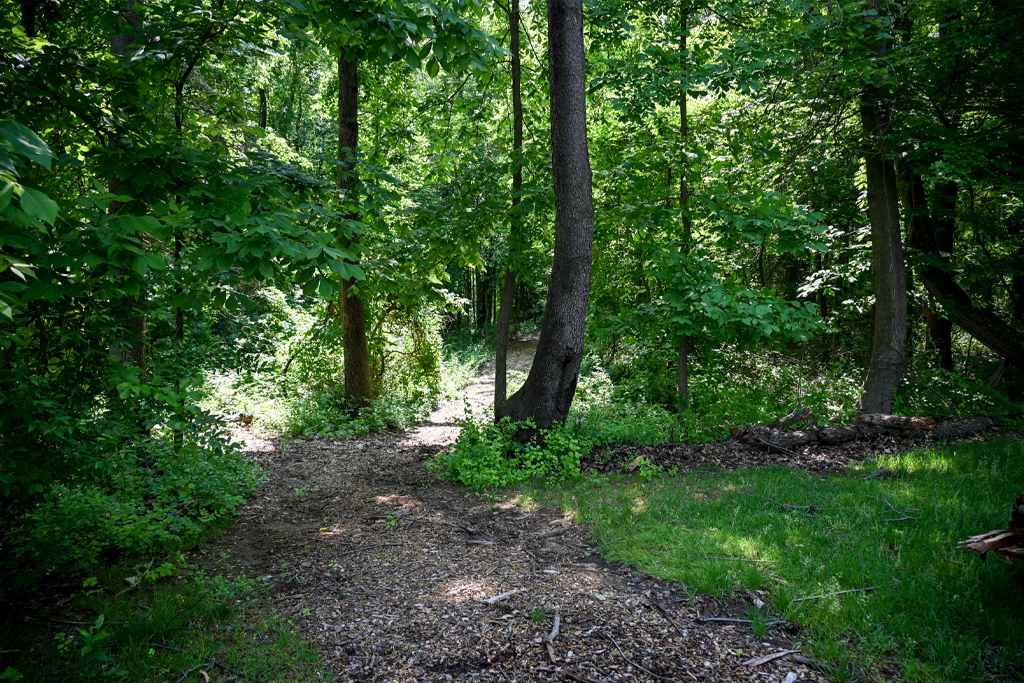
The nature trail at our corporate headquarters, The Groves, is designed to help you recharge, get outside and connect with nature so you can return to your day feeling refreshed and energized.
As you make your way along the trail, be sure to stop and scan the QR codes on each sign. You’ll learn more about the nature that surrounds The Groves, how Consumers Credit Union is working toward a more sustainable future and even find a moment to enjoy our community garden along the way.
Have fun out there and get those steps in!
Learn More About Wellness at ConsumersCU
Fairy Tales
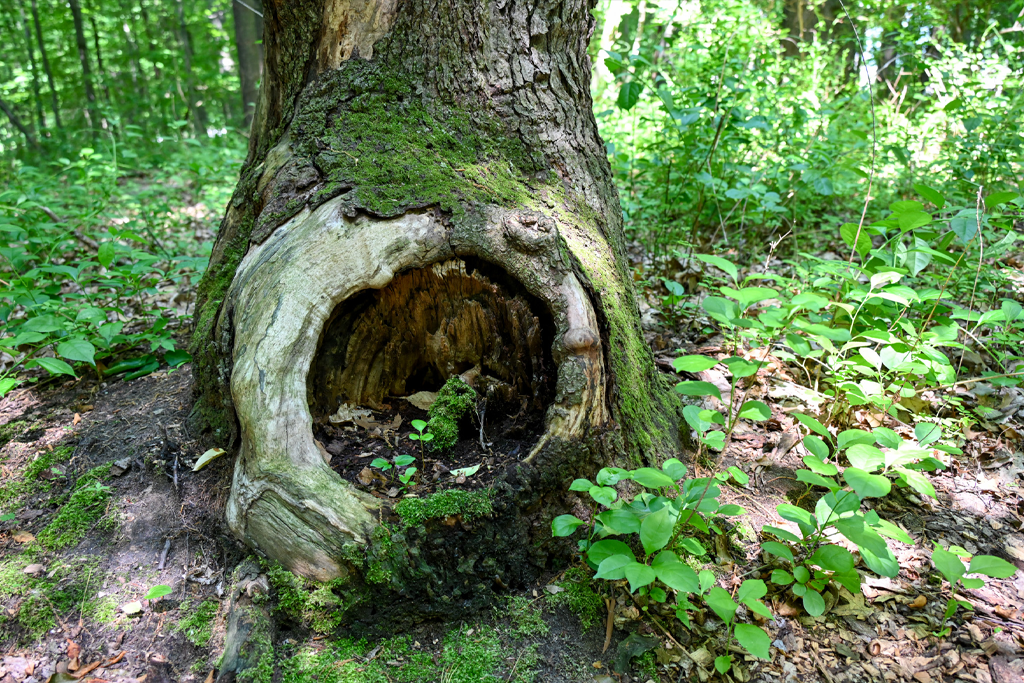
What looks like an empty tree is actually full of life.
1. Hollow trees are natural homes.
Many animals use hollow trees for shelter, nesting and raising young.
2. Some animals depend on hollows to survive.
Owls, squirrels, bats and raccoons rely on tree cavities for protection from predators and weather.
3. Woodpeckers are important home builders.
When they create nesting holes, other animals often move in after they leave.
4. Hollow trees help animals stay warm and cool.
The thick wood keeps animals warm in winter and cool in summer.
5. Even dead trees are valuable wildlife habitats.
Standing dead trees, called snags, provide some of the best wildlife homes.
Groundcover
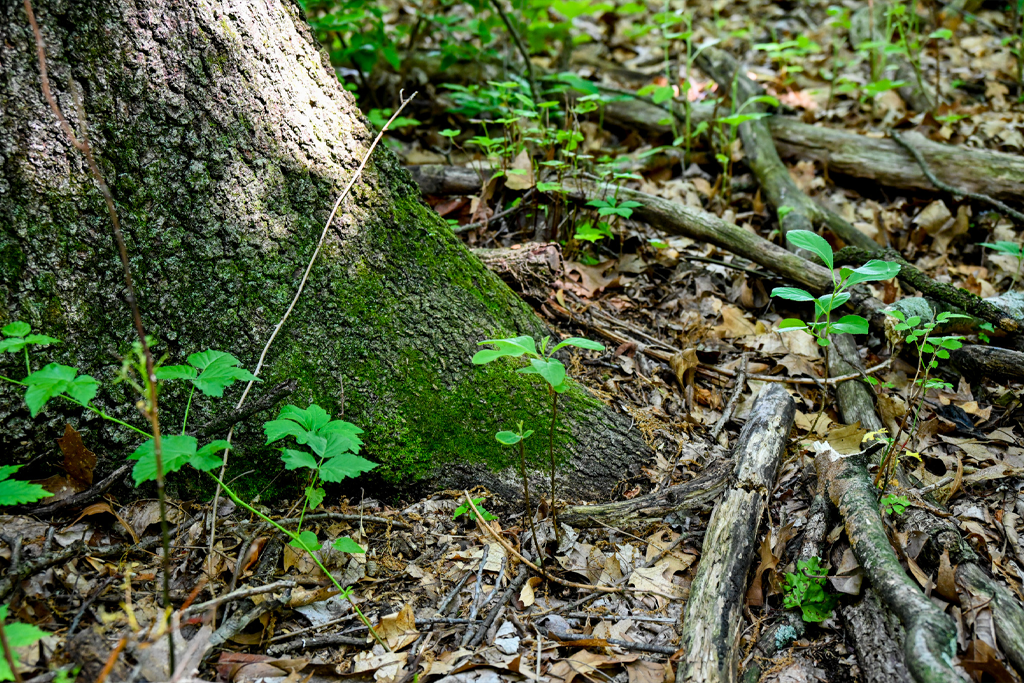
The forest floor is alive with activity.
1. Groundcover protects the soil.
Leaves, moss and plants shield it from sun and wind.
2. It helps retain moisture.
This layer keeps soil damp and supports plant life.
3. Groundcover prevents erosion.
Roots and organic material hold soil during rain.
4. It supports small ecosystems.
Insects and microorganisms thrive here.
5. Decomposition feeds the forest.
Breaking down organic matter returns nutrients to the soil.
Crazy Trunks
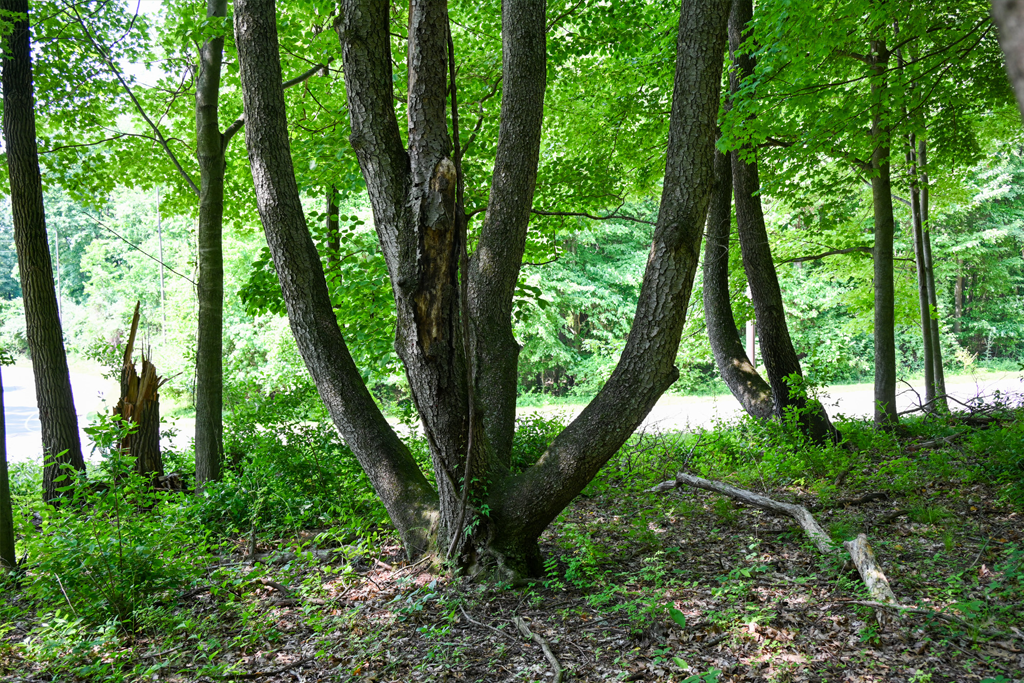
One tree, many stories
1. Multiple trunks, one root system.
All five trunks grow from a single base.
2. This growth can start early.
Damage or stress when young can trigger multiple stems.
3. Multiple trunks increases resilience.
If one trunk is harmed, the others can keep the tree thriving.
4. Light and space shape its form.
Nearby trees and sunlight influence how trunks grow and spread.
5. A unique habitat feature.
Gaps between trunks provide shelter for wildlife and insects.
Birds of a Feather
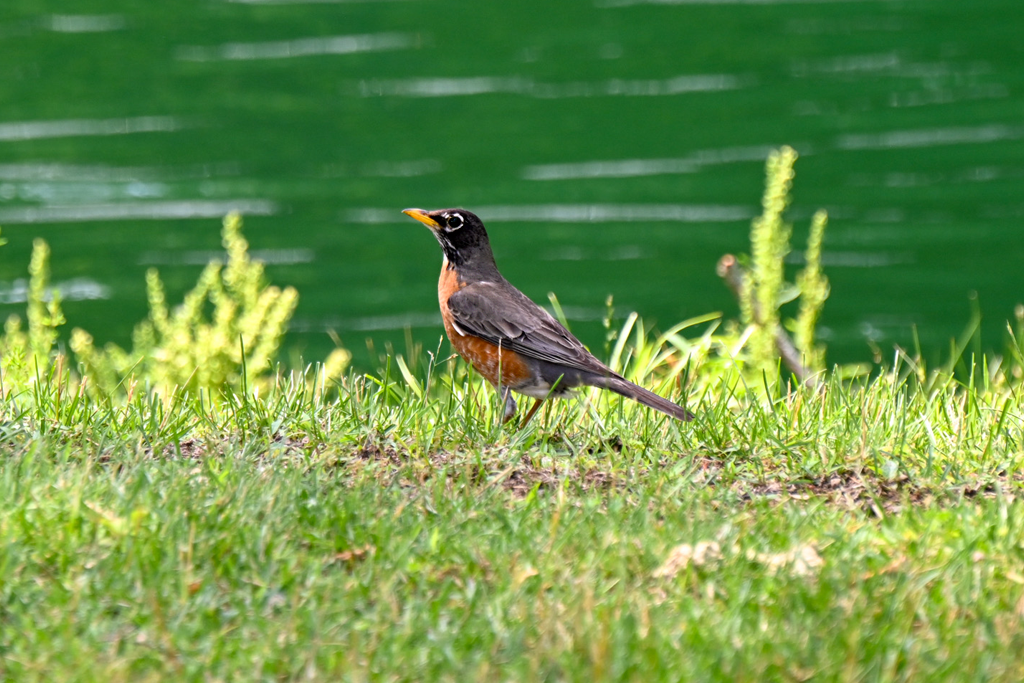
Birds are small but powerful players in a healthy ecosystem.
1. Birds help control insect populations.
Many birds eat insects that can damage trees, crops and plants, helping keep ecosystems balanced.
2. They spread seeds, helping plants grow.
By eating fruits and berries and moving across landscapes, birds help plants spread to new areas.
3. Some birds act as pollinators.
Some birds transfer pollen between flowers while feeding on nectar, supporting plant reproduction.
4. Their presence indicates environmental health.
Changes in bird populations can signal shifts in habitat quality, climate and pollution levels.
5. Birds play a key role in food webs.
Birds serve as both predators and prey, playing a key role in keeping ecosystems stable and diverse.
The Tangled Brush
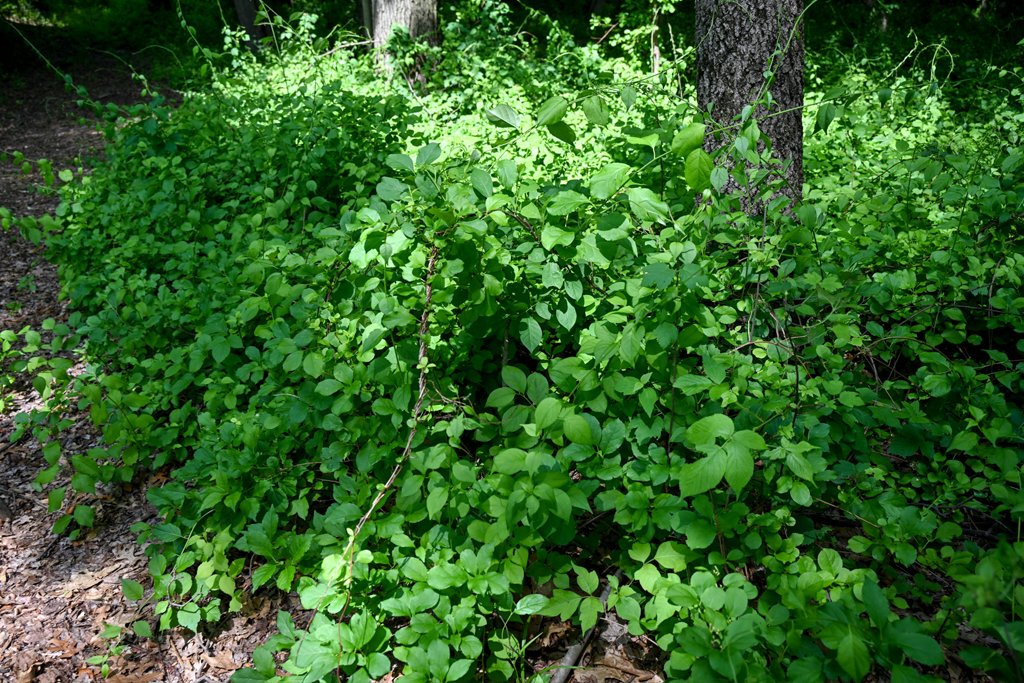
Dense plant growth creates protection and opportunity.
1. Low plants protect the soil.
They help prevent erosion by holding soil in place.
2. Brush provides shelter.
Dense vegetation offers safe hiding spaces for wildlife.
3. Young trees begin here.
Seedlings often grow under the protection of shrubs.
4. Layered plants create diverse habitats.
Different heights support a wider variety of species.
5. Thick growth signals renewal.
Brush often appears where forests are regrowing and adapting.
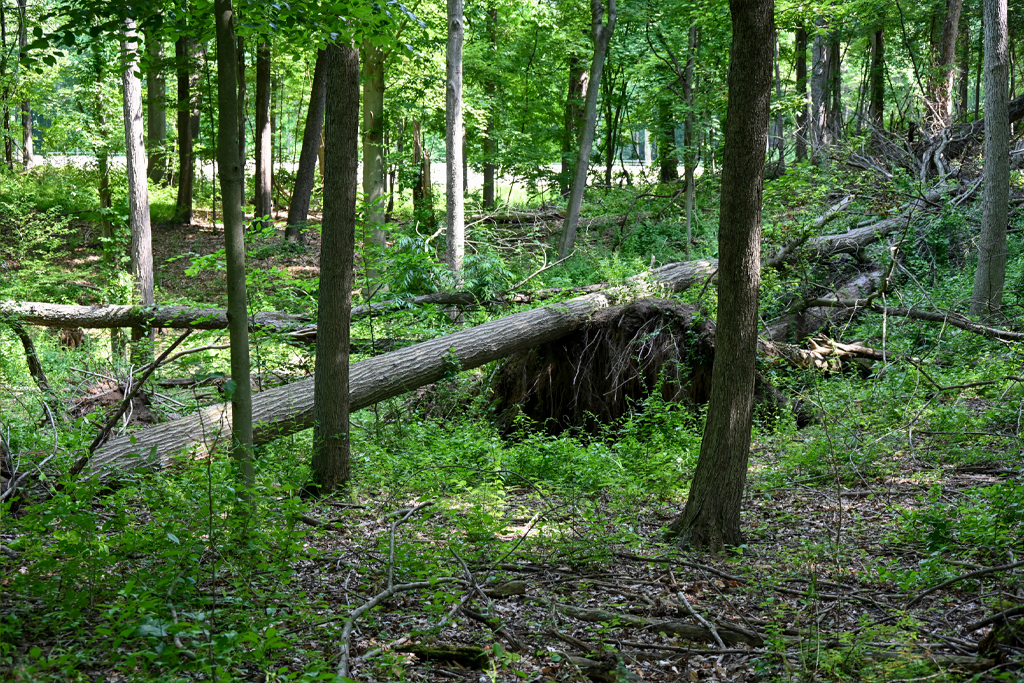
Renewal
In nature, nothing goes to waste.
1. Fallen logs recycle nutrients.
As they decay, they return essential nutrients back into the soil.
2. Logs become “nurse trees.”
Moss, fungi and young plants grow on them, benefiting from stored moisture.
3. Decaying wood supports wildlife.
Insects, fungi and small animals depend on fallen logs for food and shelter.
4. Logs hold moisture.
They act like sponges, slowly releasing water into the soil.
5. Dead trees support new life.
What looks like the end of a tree’s life helps start the next generation.
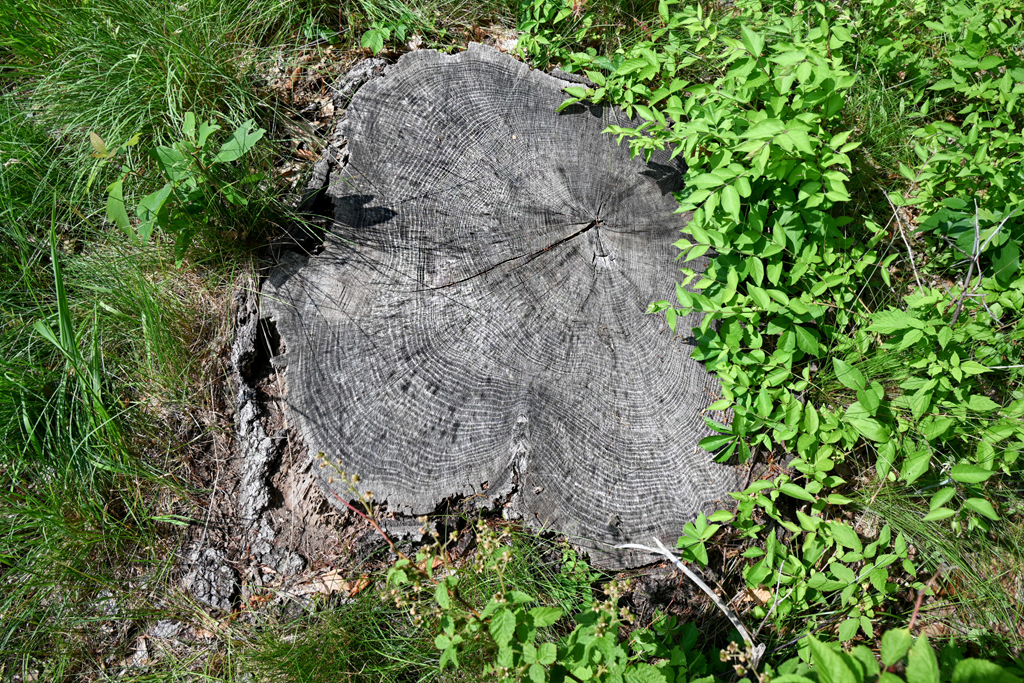
Storyteller
Every tree holds a living record of time, growth and change.
1. Each ring usually represents one year of growth.
Trees grow faster in spring and slower in late summer, creating visible rings.
2. Wide rings mean good growing years.
Plenty of rain, sunlight and nutrients lead to wider rings. Narrow rings often signal drought or stress.
3. Rings form from the inside out.
The oldest ring is near the center of the stump, and the youngest ring is just under the bark.
4. Not all trees make rings the same way.
Trees in temperate climates have clear rings, while tropical trees may not show any rings at all.
5. Trees record environmental history.
Scientists use tree rings to study past climates, including droughts, floods and wildfires.
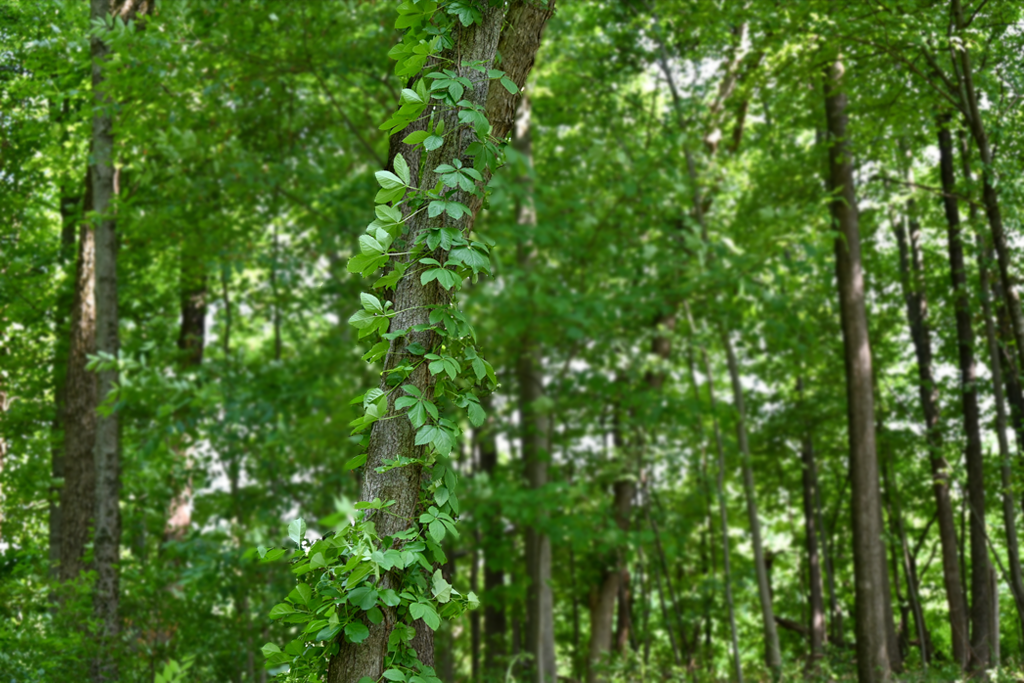
Tarzan Tree
Dense plant growth creates protection and opportunity.
1. Vines create travel paths for wildlife.
Many animals use vines to travel, hide from predators or build nests.
2. They help forests use vertical space.
By climbing trees, vines reach sunlight without growing thick trunks, adding plant life at different forest levels.
3. They provide food for many different species.
Flowers, leaves, berries and seeds from vines feed birds, insects and different kinds of mammals.
4. These plants support biodiversity.
Vines increase habitat variety, allowing more plants and animal species to live in the same area.
5. Their presence signals a healthy, changing forest.
Many vines thrive in areas with sunlight and natural disturbance, helping forests adapt and regenerate.
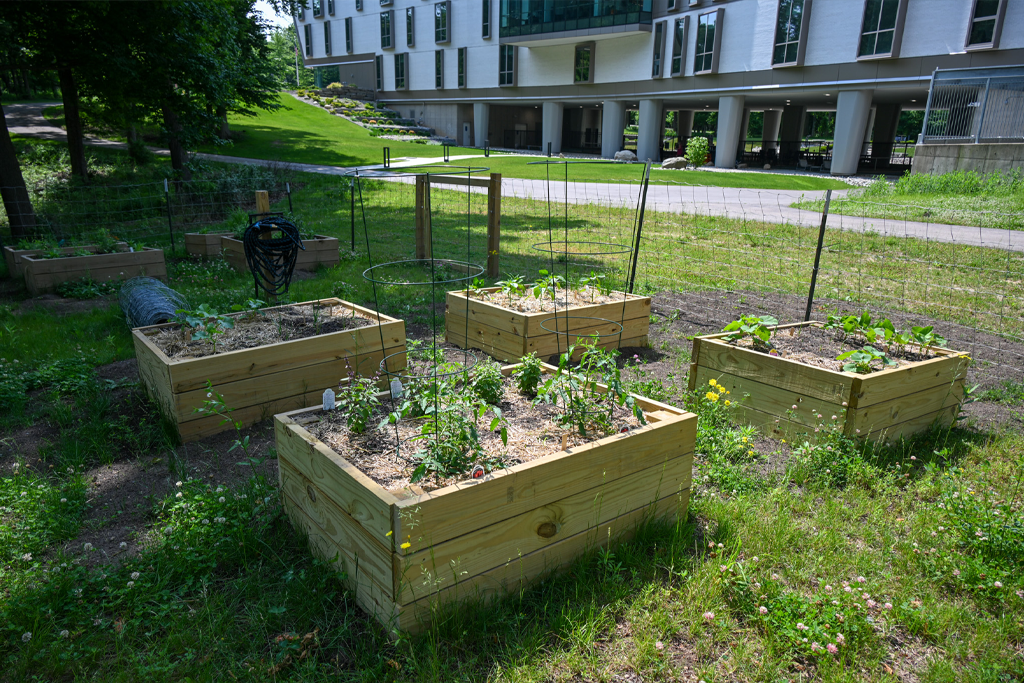
Garden Stop
Growing plants and community right here at The Groves
1. This garden was built by our team.
From constructing raised beds to planting and caring for them, employees helped bring this shared space to life.
2. What you see growing was chosen together.
Tomatoes, herbs, peppers and more were selected with input from the team to create a garden everyone can enjoy.
3. A variety of plants grow here throughout the season.
From basil and dill to cucumbers, squash and green beans, each visit may reveal something new.
4. Pollinator plants help everything thrive.
Flowers and native perennials support bees and butterflies, helping vegetables grow and ecosystems stay balanced.
5. Stay connected and get involved.
Join the Groves Garden space on Workvivo to keep up with updates and RSVP for upcoming events!
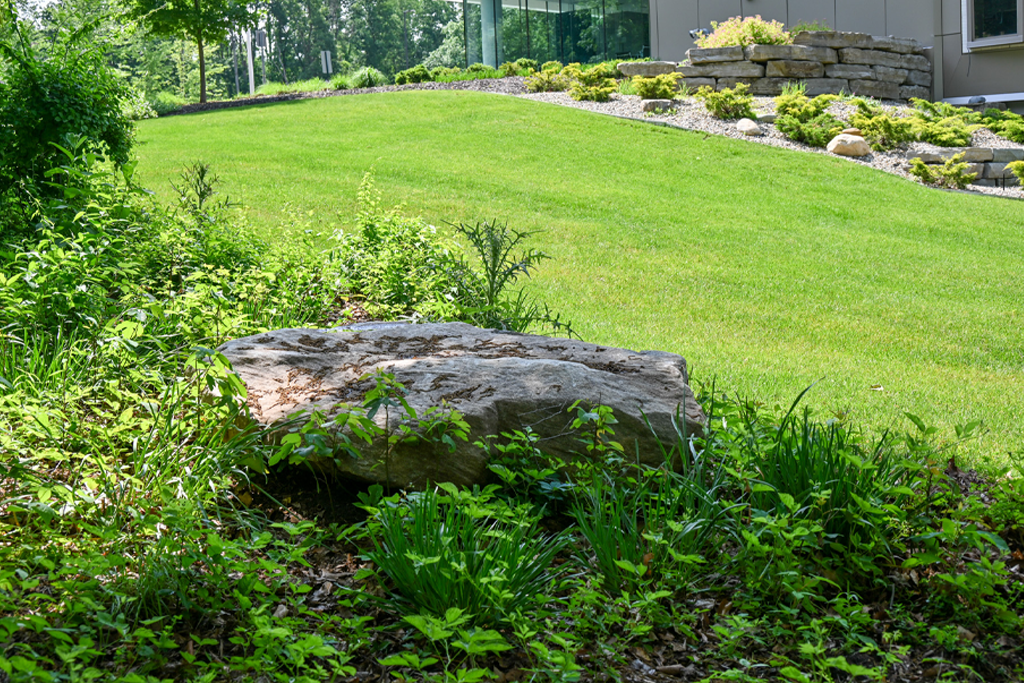
Come Sit a Spell
Even rocks play a role in the ecosystem.
1. Boulders help prevent erosion.
They slow water flow and help keep soil in place, especially during heavy rains.
2. Rocks provide shelter.
Small animals, insects and reptiles use them for protection from predators and extreme temperatures.
3. They create microhabitats.
Different sides of a rock offer sun, shade and moisture, supporting a variety of living things.
4. Boulders shape the landscape.
They influence how water moves through the area and help stabilize the surrounding environment.
5. Life can grow on rocks.
Mosses and tiny organisms make their home on stone surfaces, adding to the ecosystem.
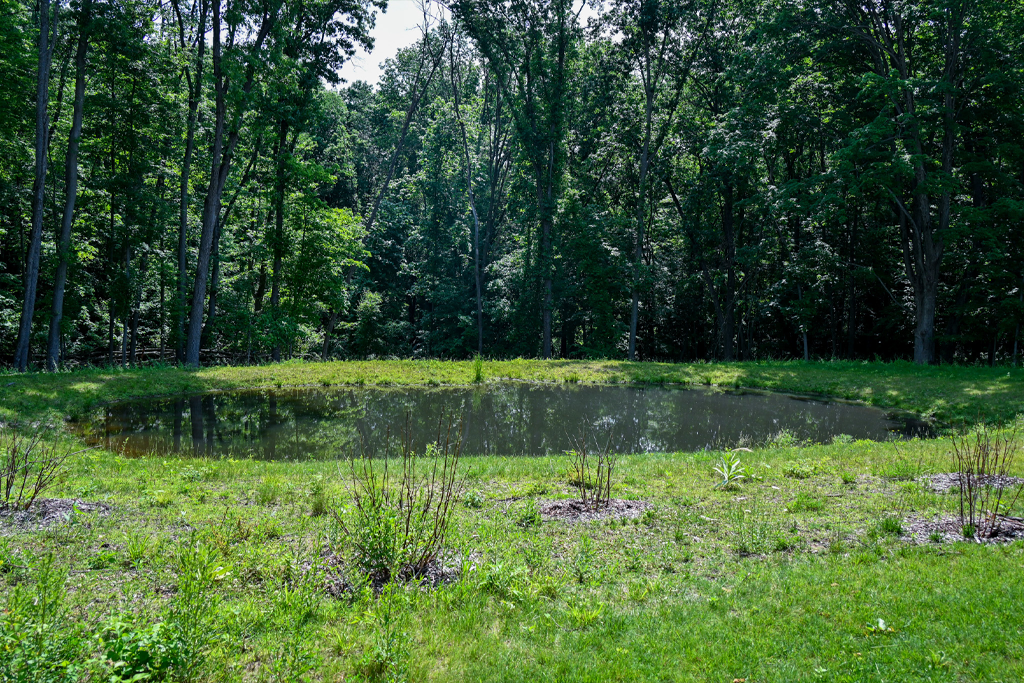
Water Habitats
Water brings life to everything around it.
1. Water sources support many species.
Streams, ponds and wetlands provide essential habitat and drinking water.
2. Wetlands act as natural filters.
They trap pollutants and help keep water clean.
3. Water regulates temperature.
It cools the surrounding area and creates stable habitats.
4. Many species depend on water to reproduce.
Frogs, insects and fish rely on it for their life cycles.
5. Healthy water supports biodiversity.
Clean water benefits both aquatic and land ecosystems.
Popular Searches
Today’s Rates
Need help with something else? Visit our Connect & Support page.